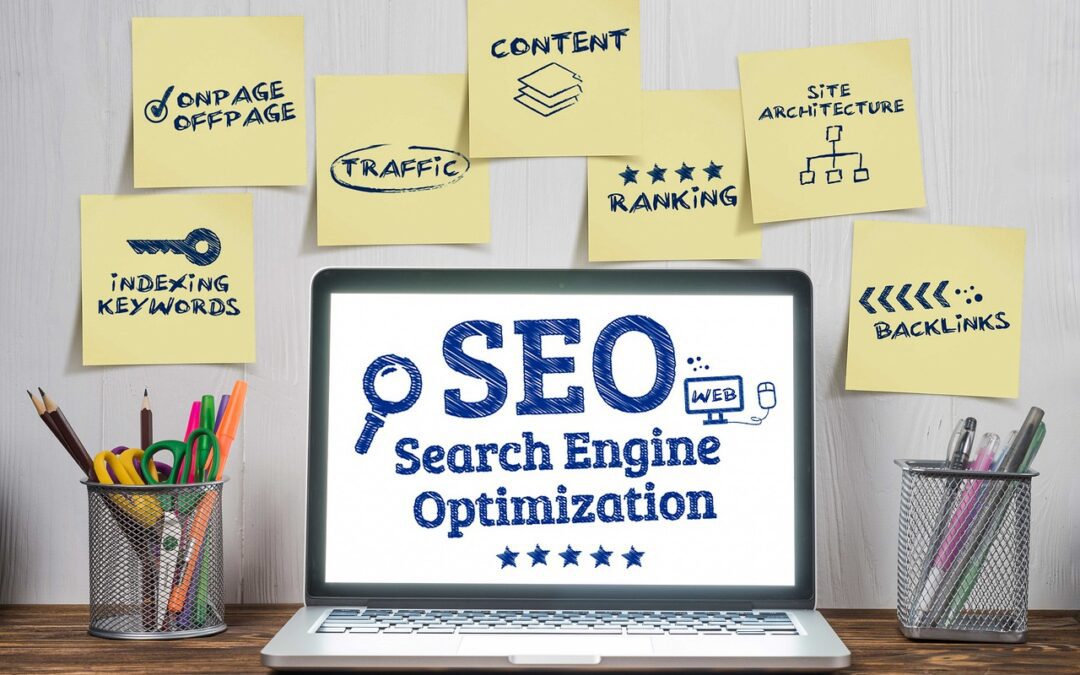
Optimizing Your Websites Images for Better On-Page SEO
Images play a crucial role in enhancing the user experience on a website. They can break up text, illustrate points, and make content more engaging. However, if not properly optimized, images can also slow down your site and negatively impact your SEO. In this blog post, we’ll dive into the best practices for optimizing your websites images for better on-page SEO, ensuring they contribute positively to your site’s performance.
Why Image Optimization Matters
Before we get into the how-to, let’s discuss why image optimization is essential for on-page SEO. Optimized images can:
- Improve Page Load Speed: Large, unoptimized images can significantly slow down your website. Faster loading times enhance user experience and are a ranking factor for search engines like Google.
- Enhance User Experience: Clear, high-quality images make your content more appealing and easier to understand.
- Boost Accessibility: Properly labeled images can help visually impaired users understand your content better.
- Increase Organic Traffic: Optimized images can appear in image search results, driving more traffic to your site.
Best Practices for Image File Naming
One of the simplest yet most effective SEO practices is to use descriptive, keyword-rich file names for your images. Search engines use file names to understand the content of the images.
Tips for File Naming
- Be Descriptive: Instead of “IMG1234.jpg,” use “blue-running-shoes.jpg.”
- Use Hyphens, Not Underscores: Hyphens are recognized as spaces by search engines, while underscores are not. For example, use “blue-running-shoes.jpg” instead of “blue_running_shoes.jpg.”
- Include Keywords: Incorporate relevant keywords that describe the image and relate to your content. However, avoid keyword stuffing.
The Importance of Alt Text
Alt text (alternative text) is used within an HTML code to describe the appearance and function of an image on a page. This text helps search engines understand what the image is about and is crucial for accessibility.
Writing Effective Alt Text
- Be Concise and Descriptive: Describe the image succinctly and accurately.
- Include Keywords: Integrate relevant keywords naturally, but don’t overdo it.
- Think About Context: Consider how the image relates to the surrounding content and describe its role.
For example, for an image of a person running in blue shoes, a good alt text would be “Woman running in blue running shoes on a trail.”
Choosing the Right File Format
Different image formats serve different purposes. Choosing the right format can affect both image quality and loading speed.
Common Formats
- JPEG (JPG): Best for photographs and images with many colors. JPEGs can be compressed to reduce file size with minimal loss of quality.
- PNG: Ideal for images that require transparency, like logos. PNGs are higher quality but result in larger file sizes.
- GIF: Suitable for simple graphics and animations. However, for static images, PNG is often a better choice.
Compressing Images for Web Use
Compressing images reduces their file size without significantly affecting quality, leading to faster page load times.
Tools for Compression
- Online Tools: Websites like TinyPNG, ImageOptim, and Compressor.io can compress images effectively.
- Software: Programs like Adobe Photoshop have built-in options to save images for the web, reducing file size.
When compressing images, aim to find a balance between quality and file size. Use the highest compression level that still maintains acceptable image quality.
Implementing Responsive Images
Responsive images ensure that your images look great and load quickly on any device, whether it’s a desktop, tablet, or smartphone.
Techniques for Responsive Images
- Use the
srcsetAttribute: This HTML attribute allows you to specify different images for different screen sizes and resolutions. - Use CSS: Media queries in CSS can help control how images are displayed on various devices.
Example of using srcset:
html
<img src="image-small.jpg"

srcset="image-medium.jpg 768w,

image-large.jpg 1200w"

sizes="(max-width: 768px) 100vw,

(max-width: 1200px) 50vw,

33vw"

alt="Example image description">
Leveraging Lazy Loading
Lazy loading is a technique that delays the loading of images until they are needed, such as when they appear in the viewport as the user scrolls down the page.
Benefits of Lazy Loading
- Improves Initial Load Time: Only the images in view are loaded initially, speeding up page load times.
- Reduces Bandwidth Usage: Users only download the images they view, saving data.
To implement lazy loading, you can use JavaScript libraries or the native HTML loading attribute.
Example using the loading attribute:
html
<img src="image.jpg" loading="lazy" alt="Example image description">
Utilizing Image Sitemaps
Creating an image sitemap helps search engines index your images more effectively. An image sitemap provides information about images on your site, which can improve their visibility in search results.
Creating an Image Sitemap
- Use Sitemap Generators: Tools like Screaming Frog can generate image sitemaps.
- Manual Creation: If you prefer, you can manually create an image sitemap using XML.
Example of an image sitemap entry:
xml
<url>

<loc>https://www.example.com/image-page.html</loc>

<image:image>

<image:loc>https://www.example.com/images/example.jpg</image:loc>

<image:caption>Example image description</image:caption>

<image:title>Example Image Title</image:title>

</image:image>

</url>

Regularly Updating and Auditing Images
SEO is not a one-time task; it requires regular updates and audits. The same goes for image optimization.
Steps for Regular Audits
- Check for Broken Images: Ensure all images load correctly.
- Update Alt Text and File Names: Review and update as necessary to keep them relevant and optimized.
- Recompress Images: Newer compression techniques might allow for better quality or smaller file sizes.
Conclusion of Optimizing Your Websites Images for Better On-Page SEO
Optimizing your websites images for better on-page SEO will help to improve page load speed, enhance user experience, and boost your search engine rankings. By following best practices for file naming, alt text, file formats, compression, responsive design, lazy loading, and image sitemaps, you can ensure that your images contribute positively to your overall SEO strategy. Regular audits and updates will help maintain their effectiveness, keeping your site performing well and ranking high.
Start implementing these techniques today to see the benefits of optimized images on your website’s performance and search visibility. Happy optimizing!